Read the rest of the series:
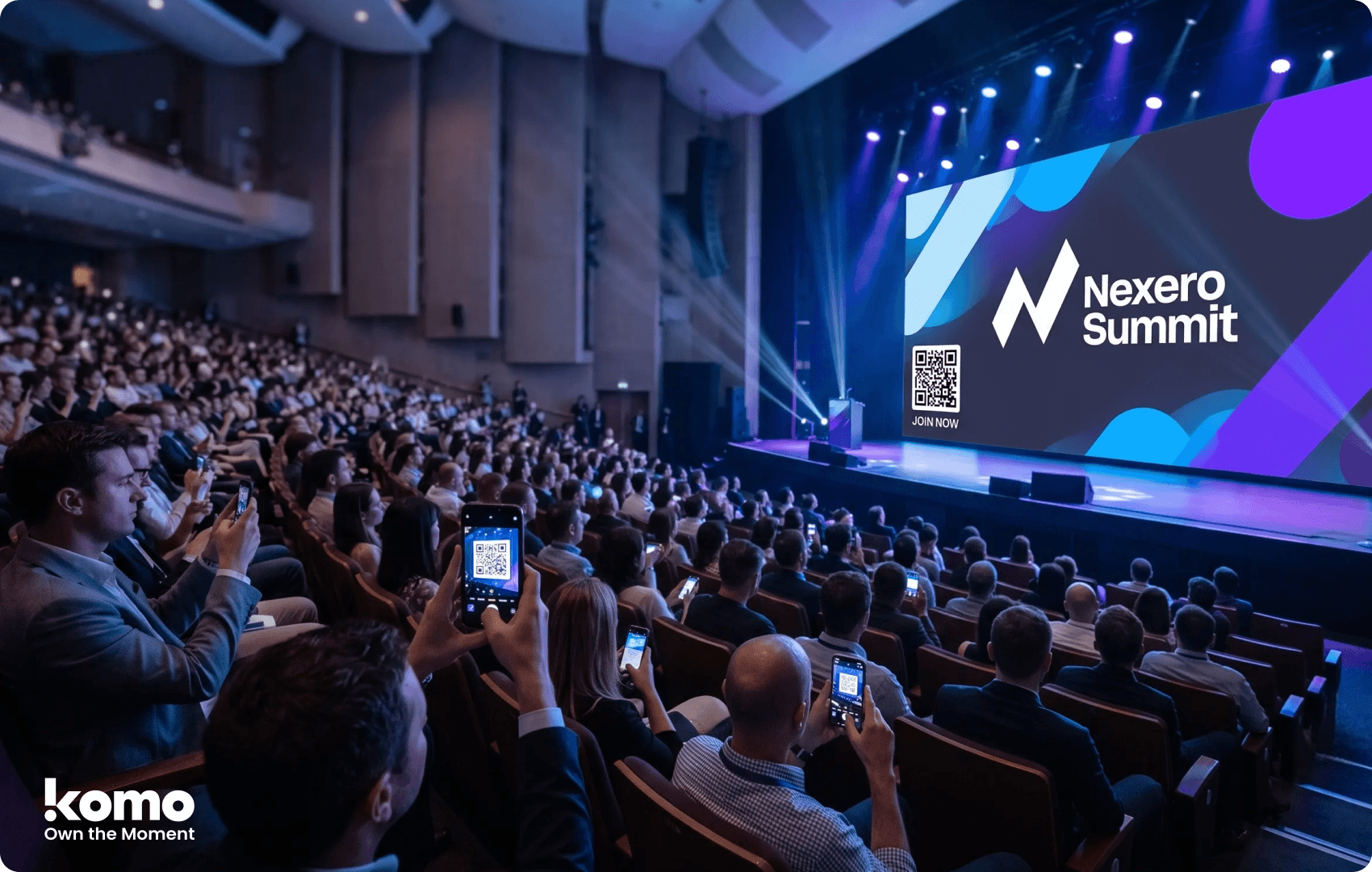
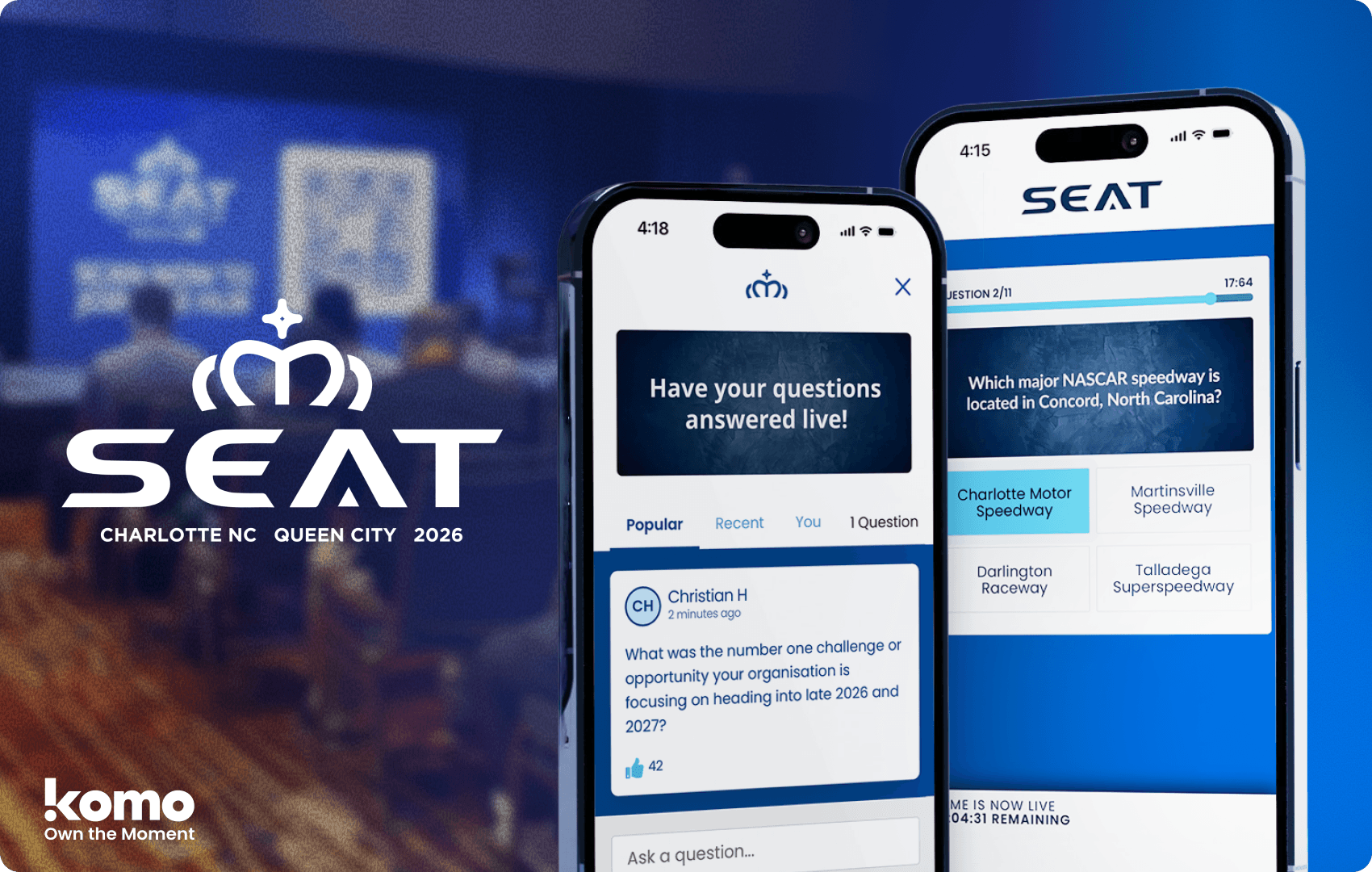
At SEAT 2026 in Charlotte, where Komo was the official audience engagement partner, one session was titled "One Event: Infinite Experiences." It's a good ambition. But the most useful way to read it is as a question about value: what is the audience an event creates actually worth - and is that number going up or down between the events?
Because an audience is an asset - probably the most valuable one an event or a club holds. It's also the asset least likely to be managed like one, and not because anyone decided it didn't matter. Nothing in the rhythm of events and seasons prompts you to tend it between the moments. The calendar is built around the peak; the asset quietly gains or loses value in the troughs that nobody is scheduled to think about.
An asset appreciates or depreciates. And the gaps decide which.
Any asset faces the same test: is it worth more over time, or less? An audience, left to itself, drifts toward less. Between events the attention fades, contact details go stale, affinity cools, and the profile you had stops reflecting who these people now are. It isn't dramatic, and it isn't anyone's failing - it's just decay, and it's easy to miss because nothing flags it.
Where it does surface is the marketing budget, one line removed. When the next edition comes round, a share of the spend goes not to reaching new people but to re-warming an audience that's gone quiet since the last one - climbing back to ground you already held. There's a reason year-round programs and satellite events have become standard practice: momentum lost between editions gets paid for twice. That second payment is the depreciation, made visible.
Most of us know the shape of it. The events organizer whose audience shows up once a year, by choice, with only marketing in between. The club that's alive on matchday throughout the season and quiet for the days between, including the off-season. The asset gets built at the peak, loses value in the trough, and is topped back up at cost - season after season, through no fault of anyone in particular.
Continuity is what makes it appreciate
The move that changes the maths is treating the audience less like something you rent per event and more like an asset you compound - a relationship that runs in the gaps, not only at the peaks.
BCG's Beyond Media Rights frames the goal as maximizing fan lifetime value, and is specific about how the value grows: active digital engagement, they write, "becomes the key monetization multiplier," because "the more frequently and meaningfully fans interact across digital touchpoints, the more opportunities organizations have" to earn. That's appreciation described mechanically - every interaction slows the decay and adds to what the audience is worth. BCG expects the venue itself to be built around it, becoming a "hybrid environment that connects live attendance with digital participation before, during, and after events." The event is the asset's high point, not the whole of it.
Over a few cycles, the two paths separate. An audience kept in a living relationship opens each season higher than the last - better known, cheaper to reach, worth more to a sponsor. One left to reset starts near zero each time and gets bought back up. Far enough out, it stops being a marketing question and becomes a valuation one.
Working the asset between the moments
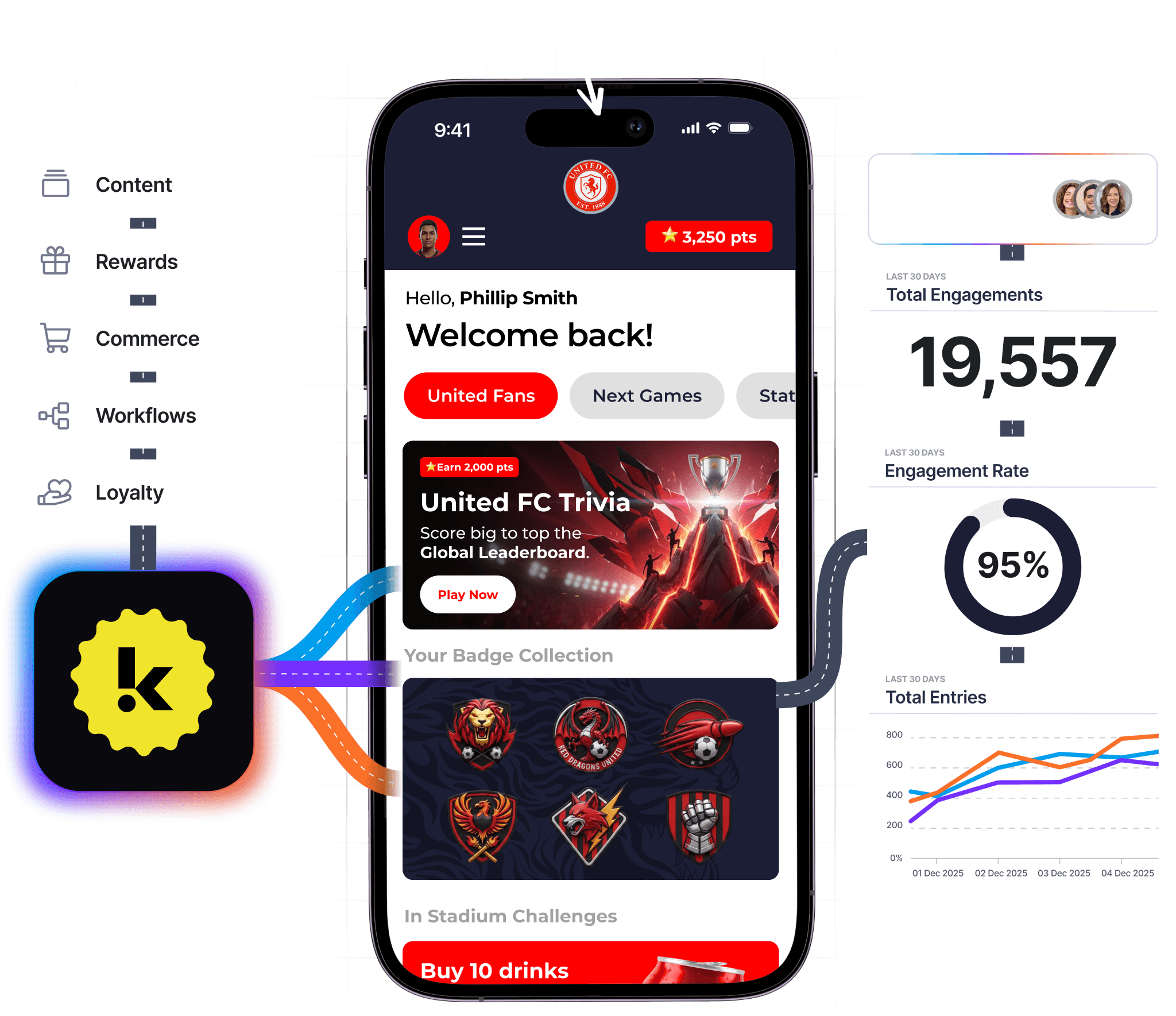
So how do you compound it rather than re-buy it? Not with more email pushed into the silence - that's activity, not appreciation. It takes a run of genuine reasons to keep taking part when there's nothing on: a prediction game that resets each week with a running leaderboard, content and challenges that unlock as the next edition nears, recognition that builds the more someone shows up - points, streaks, tiers - and rewards that make coming back a habit. It's the same participation mechanic the rest of this series has been about, now applied across time - and it does two jobs at once: it slows the decay, and it enriches the asset, because every interaction adds to what you know about the people in it.
It's the pattern we see behind the partners who compound rather than reset - the ones running something worth showing up for between events, not only around them. Done consistently, the three-day show or the ninety-minute fixture stops being the whole relationship and becomes the high point of one that runs all year. That's what "one event, infinite experiences" really asks for: an always-on relationship that keeps the asset appreciating between the moments that make the headlines.
The organizations that pull ahead over the next decade won't necessarily stage the best single event. They'll be the ones whose audience is worth more at the start of each season than it was at the end of the last - because they found ways to keep tending it in between.
That's what we call the Engagement Engine.
About Komo
Komo turns the audiences you only reach - fans, attendees, guests, shoppers, viewers, members - into audiences you own and grow the value of. The mechanism is participation: people identify themselves by taking part, rewards and recognition keep them coming back, and every interaction compounds into a deeper connection, richer data you keep, and revenue you can grow and measure. One connected system - run it whole, use it to fill the gaps, or run it invisibly behind your own app - trusted by teams, leagues, broadcasters, venues and event organizers across the US, Australia, New Zealand and the UK.