The second in our series from SEAT 2026.
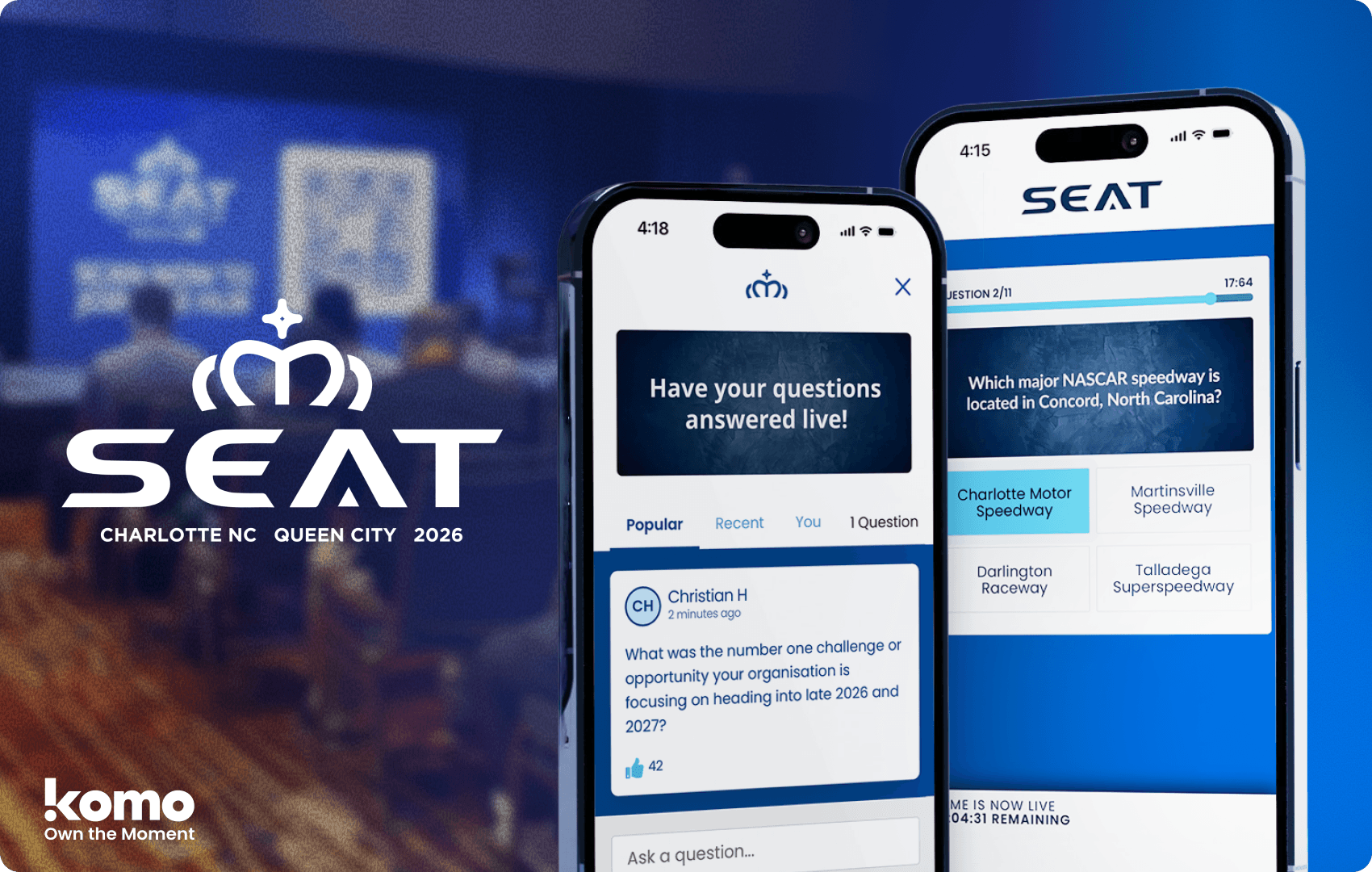
At SEAT 2026 in Charlotte, where Komo was the official audience engagement partner, one session title stuck with us long after the room emptied: "The Deed or the Lease: Who Actually Owns Your Fan Intelligence?" We flagged it in our first piece and moved on. It deserves more than a mention - because most organizations, asked the question directly, don't like the answer.
Access is not ownership
Picture the fan data a typical club or venue has. A ticketing database. A social following in the hundreds of thousands. A CRM full of names and email addresses. An events platform holding this year's registrations. It feels like ownership. On the balance sheet of attention, it reads as an asset.
Look closer, and most of it is leased. The social following belongs to the platform - you rent reach to it, on their terms, until an algorithm change or a price rise moves the goalposts. The ticketing record frequently sits with the ticketing company. The registration list is a name, a title and a company: an audience that looks owned but behaves like reach. You can email it. You can't really activate it, because you know almost nothing about who those people are or what they respond to.
That's the distinction the SEAT session drew, and it's the right one. Access is borrowed and revocable. Ownership is yours - consented, and portable. Most organizations hold far more of the first than the second, and have spent years treating the two as the same thing.
Why the lease is running out
For a long time, leasing was survivable, because the third-party data market filled the gaps. That market is dissolving - privacy regulation, cookie deprecation, platforms walling their gardens. The data you didn't own you could at least rent from someone else. Increasingly, you can't.
The industry has clocked it. BCG's Beyond Media Rights, published in January, notes that sports historically outsourced data collection and licensing to third parties and sold it as a commodity - and that leagues are now "taking a more active role in both data collection and sales to extract greater value, much as they do on media rights." Put plainly: the smart money is buying back the deed. BCG frames unified fan identity - one owned profile connecting ticketing, retail, app and venue - as "a scalable commercial asset rather than a marketing enhancement," and points to the NFL's Seattle Seahawks unifying fan identities across exactly those touchpoints.
The prize is concrete, not abstract. Owning your data - rather than renting access to it - is what lets you hand a sponsor an identified audience instead of an impression, defend a renewal with evidence instead of a deck, and personalise at a level borrowed data never reaches. It is the difference between a venue that fills all year and a venue that also keeps everyone who came.
From lease to deed
So how does a club or venue move from lease to deed? Not by buying a bigger list. By generating the data itself, first-hand, from the audience directly.
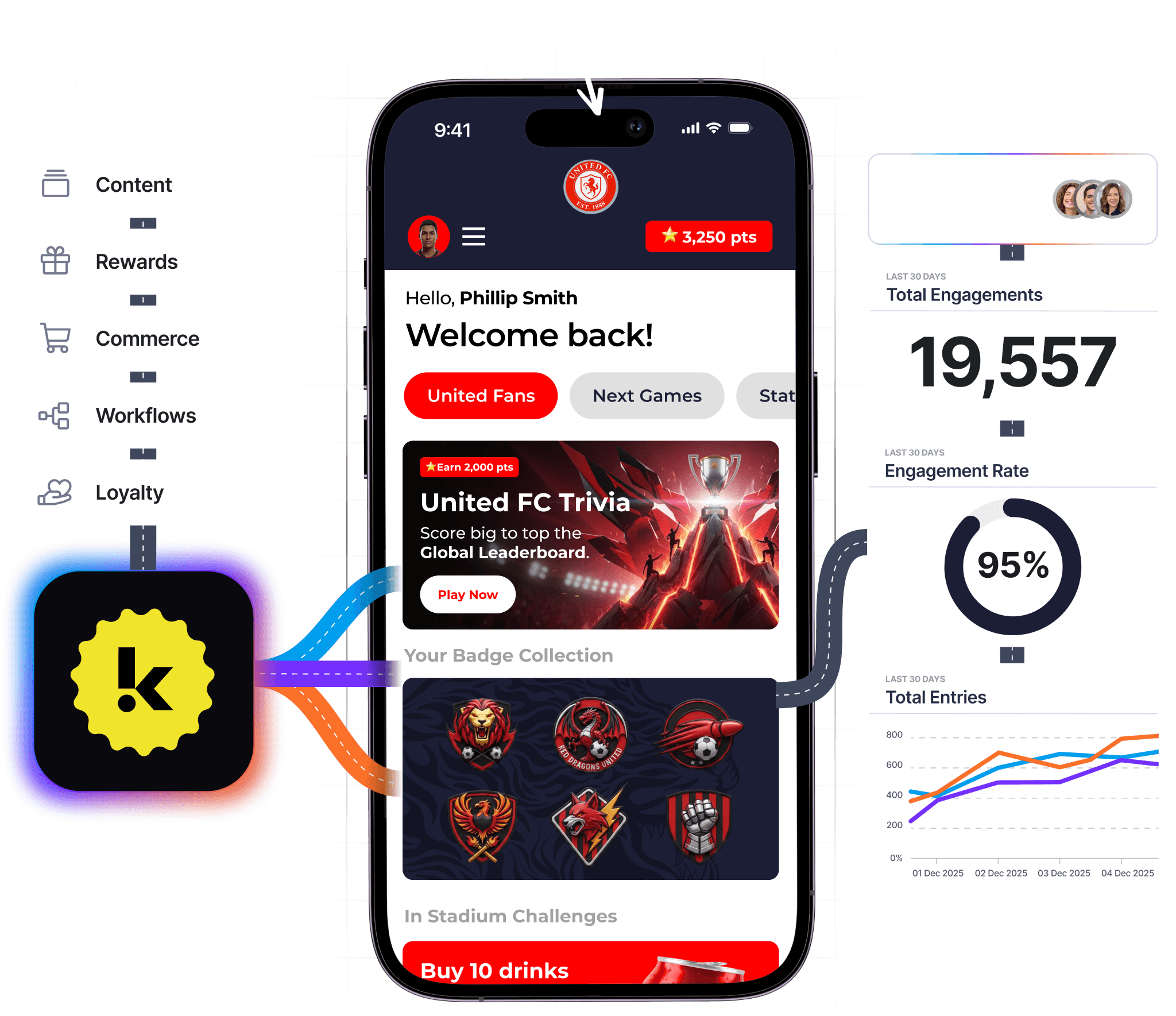
That is what participation does. When someone plays, predicts, votes or competes - and is recognized for it - they tell you who they are and what they care about, willingly, in exchange for something worth their time. That is zero-party data: not observed, not inferred, not rented. Given. It is yours to keep, consented at the point of collection, and it deepens every time they come back.
And it has to be portable, or it is just a nicer lease. Owned data trapped in one more tool is barely owned at all. The point is that it flows into the systems you already run - feeding your CRM and your existing stack through integrations, and staying there when the campaign ends, the season turns, or a platform changes its terms. Run the whole thing in one place, use it to fill the gaps in what you have, or run it invisibly behind your own app. Either way, the audience it builds is one you hold the deed to.
The venues and clubs pulling ahead aren't the ones with the biggest databases. They're the ones that stopped renting their audience and started owning it - turning every interaction into data they keep, and value they can grow.
That's what we call the Engagement Engine.
About Komo
Komo turns the audiences you only reach - fans, attendees, guests, shoppers, viewers, members - into audiences you own and grow the value of. The mechanism is participation: people identify themselves by taking part, rewards and recognition keep them coming back, and every interaction compounds into a deeper connection, richer data you keep, and revenue you can grow and measure. One connected system - run it whole, use it to fill the gaps, or run it invisibly behind your own app - trusted by teams, leagues, broadcasters, venues and event organizers across the US, Australia, New Zealand and the UK.